

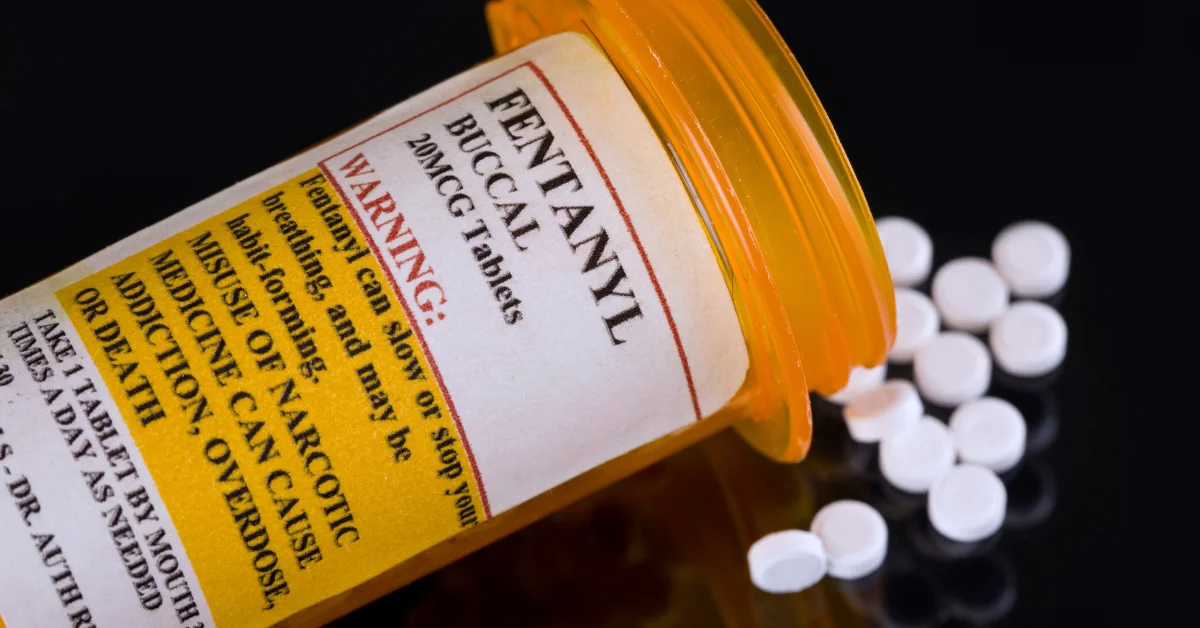
Fentanyl is a powerful drug that can be dangerous even in very small amounts. It is one of the leading causes of accidental overdose in the United States. Many people may not know they are exposed to it because it can be mixed into other substances without a clear warning.
Understanding how to prevent overdose and recognize early warning signs can help save lives and protect families in the community.
If you or someone you know may be at risk or needs immediate support, contact Antelope Valley Medical Center by calling (661) 949-5000. If there is a medical emergency or suspected overdose, call 911 right away.
What Makes Fentanyl So Dangerous
Fentanyl is a synthetic (artificial) opioid that is much stronger than many other pain medications. Even a tiny amount can slow or stop breathing.
It becomes especially dangerous when:
- It is taken without knowing it is present
- It is mixed into other drugs
- There is no medical supervision
Because of its strength, overdose can happen quickly and without warning.
Early Signs of an Overdose
Knowing the warning signs can help someone respond fast. Quick action can save a life.
Common signs include:
- Slow or stopped breathing
- Extreme drowsiness or inability to wake up
- Blue or gray lips and fingertips
- Small, pinpoint pupils
- Gurgling or choking sounds
If any of these signs appear, call 911 immediately. Do not wait to see if symptoms improve.
Simple Prevention Tips That Save Lives
Preventing overdose often starts with awareness and safe choices. While no method is completely risk-free, some steps can reduce danger.
Helpful prevention steps:
- Never take medication or substances that are not prescribed to you
- Avoid mixing substances, especially with alcohol
- Be cautious of unknown pills or powders
- Seek medical care for pain management instead of self-treatment
Staying informed and cautious can make a major difference in safety.
How Naloxone Can Help in Emergencies
Naloxone is a medication that can reverse an opioid overdose if given quickly. It is safe and does not harm someone if opioids are not present.
It works by:
- Blocking the effects of opioids in the brain
- Restoring normal breathing
- Giving time for emergency help to arrive
Many communities provide naloxone through pharmacies or health programs. Keeping it available at home can be lifesaving in an emergency.
Supporting Long-Term Health and Recovery
Overdose prevention is not only about emergency response—it is also about long-term health and support. People who may be at risk benefit from compassionate care, follow-up visits, and treatment options designed to meet their needs.
A trusted medical center in Lancaster, CA can help individuals and families:
- Understand safer care options for pain
- Access counseling and recovery support services
- Connect with community health resources
You can learn more about available support through the services page.
How Families and Communities Can Help
Families and communities play a big role in prevention. Open conversations and awareness can reduce stigma and encourage people to seek help sooner.
Ways to support others:
- Talk openly about overdose risks without judgment
- Learn how to recognize overdose symptoms
- Keep emergency contacts easily available
- Encourage professional medical support when needed
Small actions can create a safer environment for everyone.
Staying Safe and Getting Help Early
Fentanyl-related overdose is a serious public health concern, but prevention and quick response can save lives. Knowing the signs, using caution, and seeking medical support early are important steps for safety.


.2204261124304.jpg)