

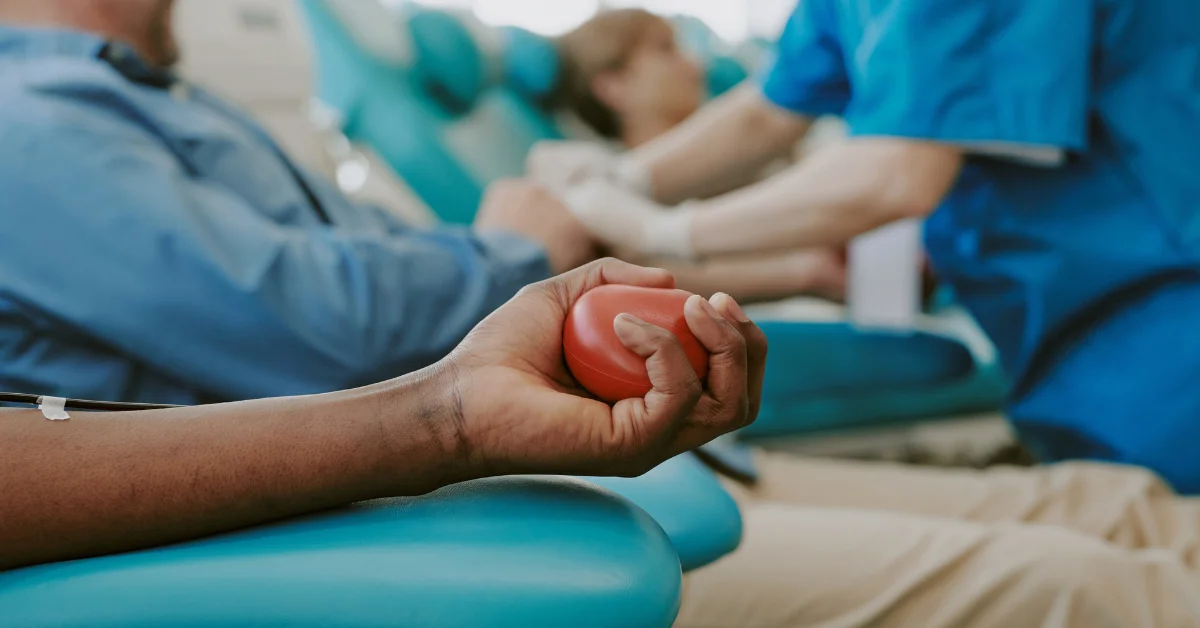
Summer brings sunshine, vacations, and travel—but it also brings a serious drop in blood donations. At the same time, the need for blood often increases due to accidents, surgeries, and medical treatments that cannot wait. For patients in need, every donation can be life-saving.
Antelope Valley Medical Center supports community health year-round, and understanding seasonal blood shortages helps raise awareness of why donations matter more during warmer months.
If you want to learn how to support patient care or need assistance, contact your primary care provider. If you are experiencing a medical emergency, call 911.
Why Blood Donations Drop in Summer
During the summer, fewer people are available to donate blood. Schools are closed, regular routines have changed, and many families travel. This leads to fewer donation appointments being scheduled.
At the same time, hospitals continue to care for patients every day.
Common reasons donations decrease:
- School and college donation drives are on break
- Families are traveling or on vacation
- Higher rates of outdoor injuries increase blood use
Even as donations decline, patient needs do not slow.
Why Demand for Blood Often Increases
Summer activities can lead to more injuries from car accidents, sports, and outdoor events. Emergency rooms often see higher patient volumes during this time.
Blood is also needed for:
- Surgery and trauma care
- Cancer treatments and ongoing therapies
- Chronic conditions like anemia
This is why maintaining a steady blood supply is critical. Without enough donors, hospitals may struggle to meet urgent needs.
For patients in the region, a trusted medical center in Lancaster, CA plays an important role in ensuring safe, timely care when blood products are needed.
How to Prepare for Donating Blood
Donating blood is a simple process, but preparation helps ensure a safe and smooth experience. Most healthy adults are eligible, but screening is always done before donation.
Helpful tips before donating:
- Drink plenty of water the day before and the day of donation
- Eat a healthy meal before your appointment
- Get a good night’s sleep
- Bring a valid ID
After donating, it is important to rest briefly and avoid heavy exercise for the rest of the day.
Even a single donation can help multiple patients, making it one of the most impactful ways to support your community.
The Role of Local Healthcare in Blood Supply
Hospitals and medical centers rely on a steady flow of donations to care for patients in emergencies and planned treatments. Blood cannot be manufactured—it must come from generous donors.
Through coordinated care and community partnerships, medical services help ensure patients receive what they need when they need it most.
Common ways blood is used in care:
- Emergency trauma response
- Surgical procedures
- Cancer and chronic illness treatment support
Summer awareness campaigns help remind the community that donations are always needed, especially during seasonal shortages.
Staying Prepared and Supporting Your Community
Blood donation is one of the simplest ways to make a life-saving difference. During summer, even small increases in donations can help stabilize local supplies and support patients in critical condition.
If you are healthy and able, consider scheduling a donation. Staying informed and encouraging others to donate can also help strengthen the local blood supply. For upcoming blood drives visit Donate Blood, Platelets or Plasma. Give Life | Red Cross Blood and schedule your appointment to donate using sponsor code: AVMC



.2204261124304.jpg)