

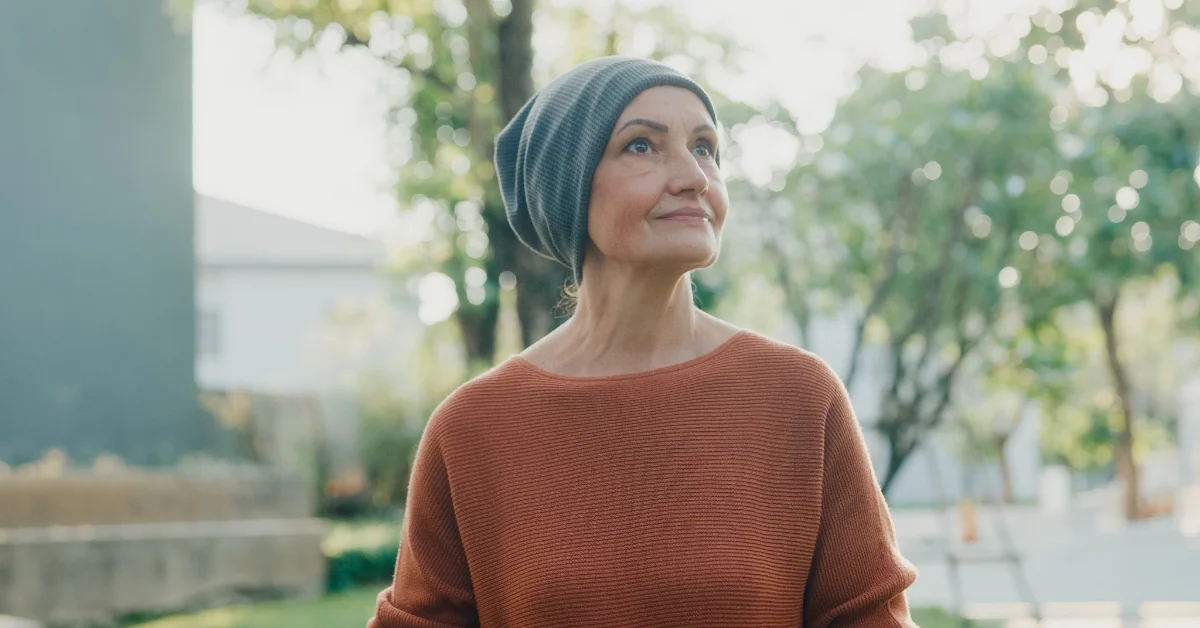
Life after cancer can feel like a new beginning, but it can also bring uncertainty. Many survivors wonder what changes they should make, what symptoms to watch for, and how to stay strong over time. Healing is not just about finishing treatment—it is about learning how to care for your body and mind in the months and years ahead.
If you are a cancer survivor experiencing new symptoms or need guidance on ongoing care, contact Antelope Valley Medical Center today via the contact page or call (661) 949-5000. If this is a medical emergency, call 911.
Understanding Life After Cancer
After treatment ends, your body continues to recover. Fatigue, body aches, and emotional changes are common. These symptoms can improve slowly, but they should still be monitored.
Follow-up care is important because it helps track recovery and catch any changes early. Survivors often benefit from regular checkups, lab tests, and ongoing support from a care team.
Key things to remember:
- Recovery looks different for everyone
- Symptoms may come and go over time
- Small changes in health should not be ignored
Building a Healthy Daily Routine
A steady routine can help your body regain strength and stability. You do not need extreme changes—small, consistent steps matter most.
Helpful habits include:
- Getting enough sleep each night
- Drinking water throughout the day
- Taking short walks or light activity when able
- Scheduling regular rest periods
Stress management is also important. Simple activities like reading, journaling, or spending time outdoors can help calm the mind and support healing.
Nutrition and Gentle Movement
Food is fuel for recovery. A balanced diet can support energy levels and immune health. Focus on simple, nourishing meals rather than strict diets.
Try to include:
- Fruits and vegetables for vitamins and minerals
- Lean proteins like chicken, beans, or fish
- Whole grains such as brown rice or oats
Gentle movement is also helpful. Walking, stretching, or light yoga can improve flexibility and mood. Always start slowly and listen to your body.
If you are unsure what activities are safe, a healthcare provider can help guide you based on your personal recovery needs.
Emotional Health and Support
Cancer recovery is not only physical—it is emotional too. Many survivors experience anxiety, fear of recurrence, or changes in self-confidence. These feelings are normal and should be acknowledged.
Support can come from:
- Family and friends
- Support groups for cancer survivors
- Counseling or mental health services
Talking openly about emotions can make recovery feel less overwhelming and more manageable over time.
When to Reach Out for Medical Care
It is important to stay alert to changes in your health after cancer treatment. A medical professional should always check new or worsening symptoms.
You may need care if you notice:
- Persistent fatigue that does not improve
- Unexplained pain or swelling
- Ongoing changes in appetite or weight
- New or unusual symptoms that concern you
Accessing comprehensive medical services ensures you receive the right follow-up care and support for long-term wellness.
Staying Supported for the Long Term
Recovery is an ongoing journey. Regular medical visits, healthy habits, and emotional support all contribute to well-being. You do not have to navigate this alone.
If you have questions about your recovery or need ongoing care, reaching out for guidance can make a meaningful difference.



.2204261124304.jpg)