

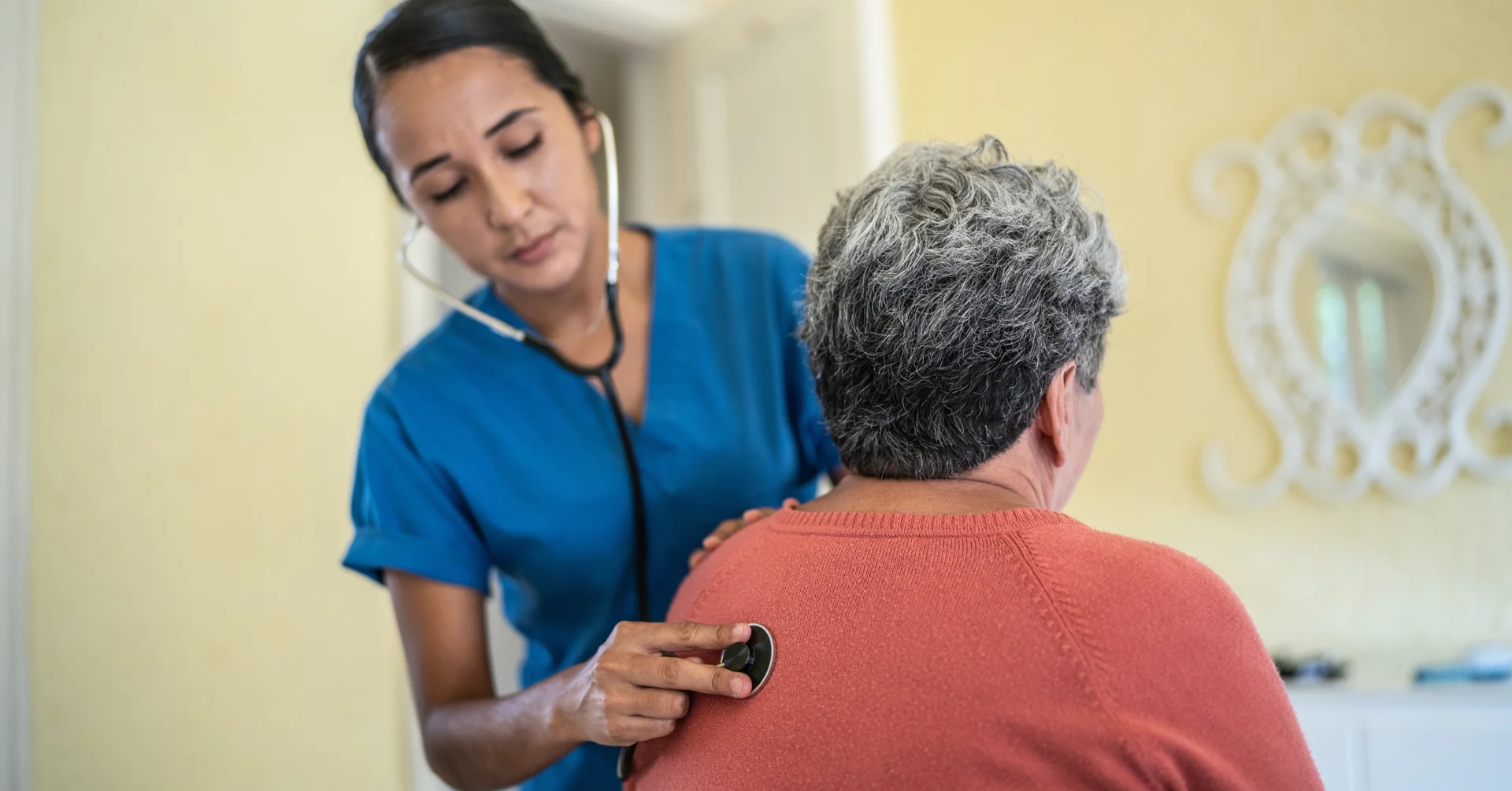
Living with chronic obstructive pulmonary disease (COPD) can make everyday activities feel more challenging, especially when breathing becomes difficult. COPD is a group of lung diseases that can make it harder to move air in and out of the lungs. With guidance from a healthcare professional and healthy daily habits, many people with COPD can continue participating in activities they enjoy.
If you have concerns about COPD symptoms or managing your condition, talk with your healthcare provider about your care plan. If you are experiencing severe difficulty breathing or another medical emergency, call 911.
Understand Your COPD
COPD can include conditions such as emphysema and chronic bronchitis. Symptoms may include ongoing coughing, mucus production, wheezing, shortness of breath, and tiredness. The symptoms and severity can vary from person to person.
Understanding your condition can make it easier to recognize changes and follow your care plan. If your breathing symptoms change or become harder to manage, speak with your healthcare provider rather than trying to determine the cause yourself.
Follow Your Care Plan
Managing COPD often involves an ongoing plan developed with a healthcare professional. Depending on your needs, that plan may include medicines, breathing strategies, activity recommendations, pulmonary rehabilitation, or other forms of care.
Taking medicines exactly as prescribed is important. Do not stop, change, or add medications without first discussing the change with your healthcare provider.
Stay Physically Active
Shortness of breath can make exercise seem intimidating, but avoiding all activity can contribute to reduced strength and endurance. Your healthcare provider can help you determine what types and amounts of physical activity are appropriate for you.
For some people, activities such as walking or other gentle movement may be part of an active lifestyle. Start at a manageable level and follow the activity guidance provided by your healthcare team.
Consider Pulmonary Rehabilitation
Pulmonary rehabilitation is a supervised program designed to help some people with ongoing lung conditions improve their ability to manage daily activities. It may combine exercise training, education, breathing techniques, and support based on an individual's needs.
If pulmonary rehabilitation is recommended for you, your healthcare team can explain what the program involves and whether it is appropriate for your condition.
Protect Your Lungs
Avoiding exposure to things that can irritate the lungs is an important part of COPD management. Cigarette smoke, secondhand smoke, air pollution, and certain fumes can make breathing more difficult for some people.
Practical steps may include:
- Avoid smoking and secondhand smoke.
- Check the air quality when outdoor conditions may affect breathing.
- Follow your healthcare provider's recommendations for reducing exposure to irritants.
Lancaster's changing weather and air conditions can make it useful to pay attention to local environmental conditions, particularly if outdoor air tends to worsen your breathing symptoms.
Be Ready for Changes in Symptoms
People with COPD may experience periods when their symptoms become worse. A sudden increase in coughing, mucus production, wheezing, or shortness of breath may require medical attention.
Ask your healthcare provider what changes you should watch for and what steps to take if your symptoms worsen. Having a clear plan can help you respond appropriately rather than waiting and hoping symptoms improve.
Support Your Overall Health
Managing COPD involves more than focusing on breathing alone. Adequate rest, nutritious food, physical activity appropriate for your abilities, and following your healthcare team's recommendations can all support your overall well-being.
Keeping regular communication with your healthcare providers can also help you address changes in your health. If you have other medical conditions, make sure each member of your care team knows about your medications and relevant health history.
Know When Breathing Problems Are an Emergency
Some breathing problems require immediate medical attention. Severe shortness of breath, difficulty speaking because you cannot catch your breath, bluish or gray lips or skin, confusion, or sudden, severe changes in breathing can be signs of a medical emergency.
If you or someone around you is experiencing severe difficulty breathing or another life-threatening emergency, call 911 immediately. Emergency care is available 24/7 at Antelope Valley Medical Center for patients who need hospital-level emergency treatment.
Living Actively With COPD
COPD may require ongoing management, but having the condition does not necessarily mean giving up every activity you enjoy. Working with your healthcare team, staying appropriately active, avoiding lung irritants, and understanding your symptoms can help you make informed decisions about daily life.
For residents looking for a medical center in Lancaster, CA, Antelope Valley Medical Center provides emergency and hospital services for patients throughout the Antelope Valley. If you have questions about COPD or changes in your breathing, talk with your healthcare provider about what may be right for you. For severe breathing difficulty or another medical emergency, call 911.


.2204261124304.jpg)