

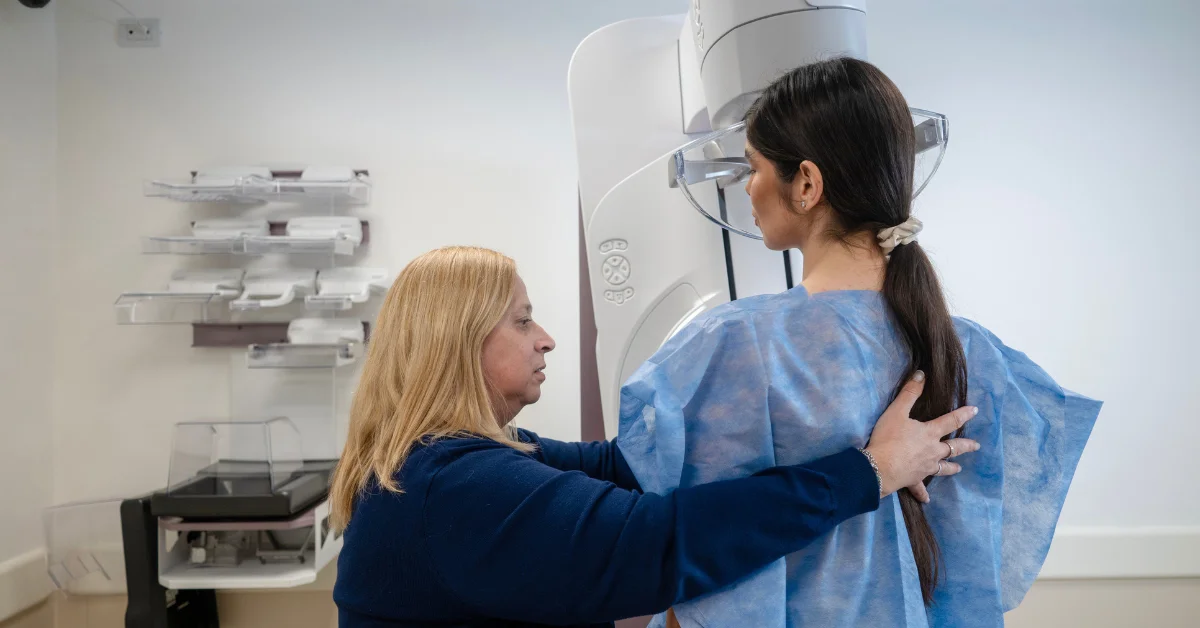
Cancer screenings are medical tests that help find signs of cancer before symptoms appear. When found early, many cancers are easier to treat and manage. A wellness check focused on screenings can help you stay informed, reduce risk, and take control of your long-term health.
If you are due for screenings or have questions about which tests are right for you, explore our Cancer Services or talk to your doctor about next steps. If you are experiencing severe or sudden symptoms, call 911 immediately.
Cancer screenings are an important part of preventive care for adults at different life stages.
Why Cancer Screenings Matter
Cancer does not always show early symptoms. That means a person can feel healthy even when changes are happening inside the body.
Screenings help detect:
- Early cell changes before cancer develops
- Cancer at an early, more treatable stage
- Risk factors that may need follow-up care
Getting screened at a medical center in Lancaster, CA like Antelope Valley Medical Center supports early detection and peace of mind.
Common Types of Cancer Screenings
Different screenings are recommended based on age, gender, and personal risk factors. A healthcare provider can help determine what is appropriate.
Breast Cancer Screening
- Uses a mammogram (an X-ray of the breast)
- Helps detect changes before they can be felt
- Often recommended starting at regular intervals for adults based on age and risk
Cervical Cancer Screening
- Includes Pap tests and HPV testing
- Look for early changes in cervical cells
- Helps prevent cancer through the early treatment of abnormal cells
Colon Cancer Screening
- Checks the colon and rectum for growths called polyps
- Can be done through stool tests or a colonoscopy
- Polyps can often be removed before they become cancerous
Prostate Cancer Screening
- Uses a blood test called PSA
- It may be recommended for some men based on age and risk factors
- Helps detect early changes in the prostate
Lung Cancer Screening
- Uses a low-dose CT scan
- Often recommended for people with a history of heavy smoking
- Helps find lung changes early when treatment may be more effective
Who Should Consider Regular Screenings
Screening needs are different for everyone. Age, family history, and lifestyle all play a role.
You may need regular screenings if you:
- Are over a certain age range recommended by a provider
- Have a family history of cancer
- Smoke or have smoked in the past
- Have ongoing health conditions
A wellness visit at Antelope Valley Medical Center can help determine the right schedule for you.
What to Expect During a Screening Visit
Many people feel unsure or nervous about screenings. Knowing what happens can help reduce worry.
Most visits include:
- A short health history review
- A discussion about symptoms or risk factors
- The screening test itself (varies by type)
- Follow-up instructions if needed
Screenings are usually quick and designed to be as comfortable as possible.
How Screenings Support Prevention
Cancer screenings are not just about finding illness—they are about prevention and early action.
Benefits include:
- Detecting changes before symptoms start
- Increasing treatment options if something is found early
- Reducing long-term health risks
- Providing reassurance about the current health status
Preventive care at a medical center in Lancaster, CA helps individuals stay ahead of potential health concerns.
Making Screenings Part of Your Routine
Building screenings into your regular healthcare routine is one of the simplest ways to protect your health over time.
Helpful steps include:
- Scheduling annual wellness visits
- Keeping track of recommended screening dates
- Discussing family history with your provider
- Asking questions during appointments
Many people delay screenings due to fear or uncertainty, but early action can make a meaningful difference.
When to Seek Medical Attention
While screenings are preventive, certain symptoms should never be ignored.
Contact a healthcare provider if you notice:
- Unexplained weight loss
- Unusual lumps or swelling
- Persistent pain or fatigue
- Changes in bowel or bladder habits
If symptoms are sudden or severe, seek emergency care or call 911 immediately.
Contact Our Medical Team
Staying on top of cancer screenings is an important step in protecting your long-term health. If you are due for a wellness check or want to learn more about recommended screenings, support is available.
Connect with your primary care provider to schedule a visit. Early screening can help you stay informed and proactive about your health.



.2204261124304.jpg)