

.2511181053031.jpg)
Recovering from a stroke can feel overwhelming, and many people worry about what comes next. It's normal to have questions about how to stay healthy and reduce the risk of another stroke while rebuilding your life. With the right support, you can make meaningful progress toward recovery.
Take Action Today: If you're concerned about your recovery or experiencing new symptoms, please call (661) 949-5000 or reach out online right away. If you are experiencing a medical emergency, call 911.
What Is a Stroke—and Why Recovery Matters
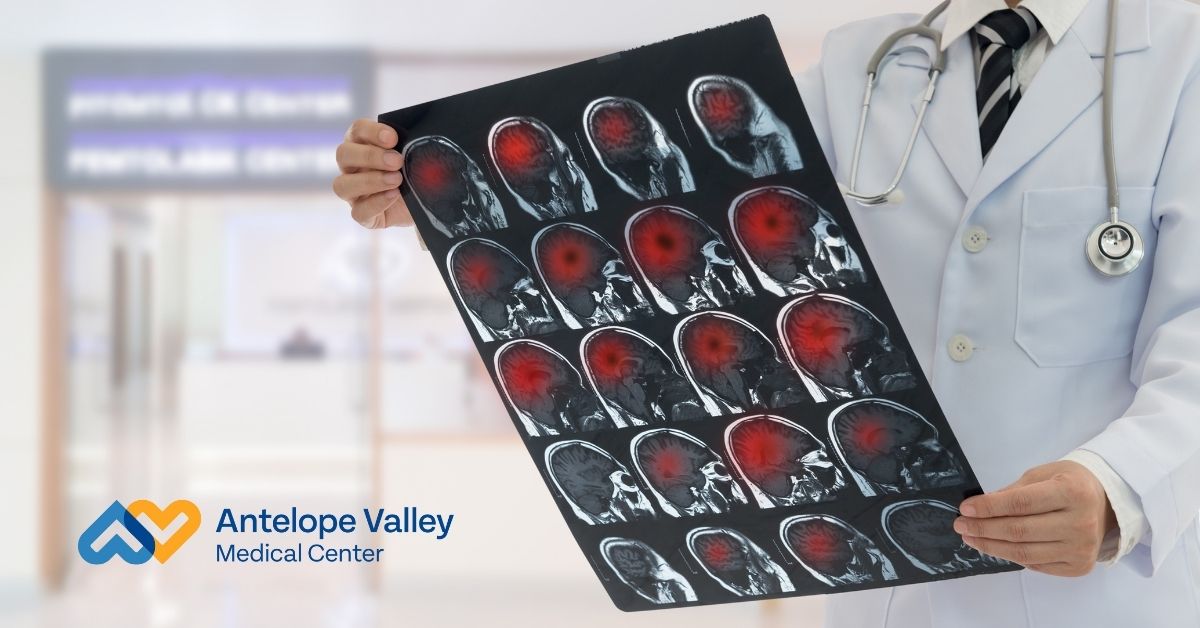
A stroke happens when blood flow to the brain is disrupted, which can damage brain cells. This may lead to challenges such as weakness, trouble speaking, memory issues, or difficulty performing everyday tasks. Recovery looks different for everyone, but it often involves a combination of therapy, lifestyle changes, and medical follow-up.
At a medical center in Lancaster, CA, ongoing care after a stroke is key to preventing future problems and supporting long-term healing.
How to Prevent a Stroke from Happening Again
Preventing another stroke involves maintaining good health and making informed lifestyle choices. Here are some essential steps:
- Manage blood pressure. High blood pressure is one of the biggest risk factors for stroke. Take medications as prescribed and have your blood pressure checked regularly.
- Control cholesterol and blood sugar. If you have high cholesterol or diabetes, following your treatment plan helps protect your blood vessels.
- Eat a healthy diet. Focus on fruits, vegetables, lean proteins, and whole grains. Try to reduce your consumption of processed foods and limit your intake of salt.
- Stay active. Even light activity, such as walking or gentle stretching, supports good circulation and heart health.
- Avoid tobacco and limit alcohol. Smoking or consuming excessive alcohol increases your risk.
Equally important is staying connected with your care team. Regular visits enable your doctor to adjust your treatment plan, monitor your progress, and detect any warning signs early.
Antelope Valley Medical Center offers comprehensive rehabilitation and recovery services to support individuals recovering from a stroke.
Rebuilding Daily Life After Stroke
Life after a stroke often means relearning or strengthening skills you may have lost or struggled with. Here's how recovery can help:
- Physical therapy: Helps you regain strength, balance, and mobility.
- Occupational therapy: Teaches ways to do daily tasks safely and independently.
- Speech therapy: Supports communication and addresses swallowing difficulties.
- Support groups: Connect with others who are going through similar challenges.
It can be slow at first, and that's okay. Recovery is often about small, steady improvements rather than big leaps.
Taking Care of Your Mental Health
Recovering from a stroke can bring up strong emotions. You might feel frustrated, sad, or anxious — and that's completely normal. Here are a few helpful steps:
- Talk with a counselor or mental health professional.
- Join a stroke survivor support group to share experiences.
- Practice mindfulness or gentle relaxation exercises, such as meditation or yoga, to promote relaxation and well-being.
Addressing emotional health is just as important as physical recovery. It can boost your motivation and make other therapy more effective.
Warning Signs That Need Urgent Attention
Some symptoms could mean you need immediate help:
- Sudden weakness, numbness, or paralysis
- Difficulty speaking or understanding speech
- Sudden vision changes or dizziness
- A terrible headache or loss of coordination
If any of these happen, call 911 immediately. Quick treatment can prevent more serious damage.
Moving Forward With Confidence
Recovering from a stroke is a journey, not a destination. With medical care, therapy, lifestyle changes, and emotional support, you can rebuild your strength and safeguard your health. Antelope Valley Medical Center is here to help — offering compassionate care, follow-up visits, and specialized therapy to support your recovery every step of the way.
Ready to talk about next steps? Call us at (661) 949-5000 or contact us online to schedule a consultation or follow-up appointment.


.2204261124304.jpg)