Heart Procedures
Advanced Heart Care You Can Trust
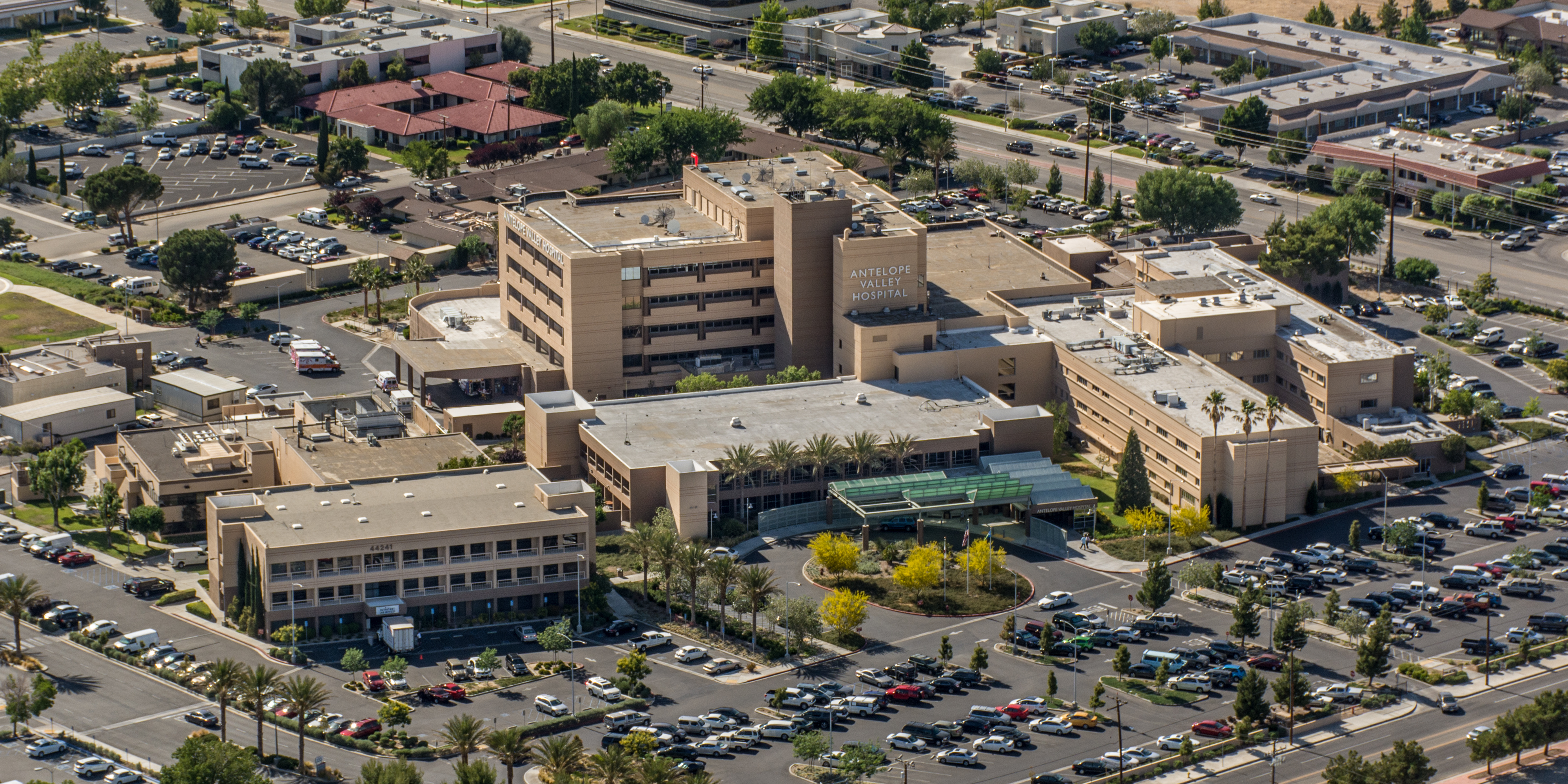
At Antelope Valley Medical Center (AVMC), we advance health care options for our local communities, by providing specialized cardiac procedures and treatments. Our board-certified cardiologists use state-of-the-art technology to deliver personalized care that helps you recover faster and live healthier.
Discover why patients trust us for comprehensive heart health. Schedule your heart care appointment today and ask your physician which treatment plan is right for you.
Extracorporeal Membrane Oxygenation (ECMO) procedure
Antelope Valley Medical Center offers a new level of hope and healing for patients facing severe heart and lung conditions. This advanced technology provides critical support when conventional treatments are not enough, giving patients a fighting chance during life’s most challenging moments.
ECMO is an innovative life-support therapy that acts as an artificial heart and lung outside the body, allowing these vital organs to rest and recover, while the specialized machine circulates blood, adding oxygen and removing carbon dioxide. Unlike traditional heart-lung bypass machines used only during surgery, ECMO can support patients for days or even weeks, giving them critical time to heal or prepare for the next step in treatment. While ECMO is not a cure, it serves as a bridge to survival, helping patients recover, undergo transplant or surgery, or remain stable while doctors determine the best course of care.
Ensuring patients receive compassionate, round-the-clock care, AVMC’s ECMO program is supported by a dedicated team of critical care specialists, nurses, and respiratory therapists trained in this complex therapy.
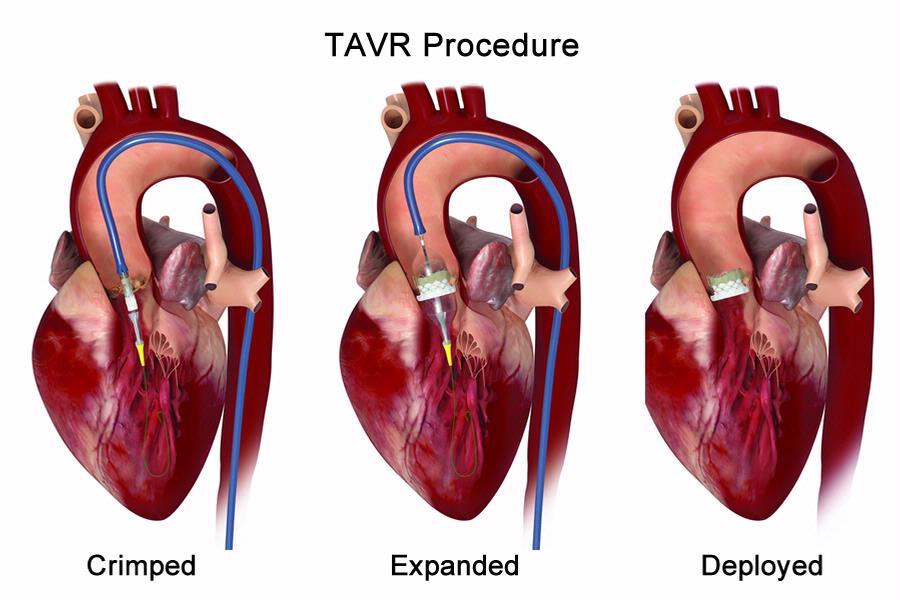
Transcatheter Aortic Valve Replacement (TAVR) for Aortic Stenosis
Transcatheter Aortic Valve Replacement, or TAVR, is a minimally invasive procedure to replace diseased aortic valves without performing open heart surgery. The aortic valve is a vital heart structure that tends to degenerate and malfunction as patients age. The traditional way to replace the aortic valve is through performing open heart surgery, a major procedure that requires opening of the chest and stopping the heart, as well as, the removal of the native disease. Recovery is typically long and painful. TAVR, instead, delivers a new tissue aortic valve, mounted inside a catheter, through a small puncture in the right femoral artery, without the need to open the chest or stopping the heart. The procedure has been around for nearly 10 years, and is continuously refined. Multiple clinical trials have proven the safety and efficacy of minimally invasive aortic valve replacement (TAVR) compared to open heart surgery and valve replacement. TAVR is now considered the standard of care, as it has proven equivalence and/or superior to surgical valve replacement. Patients who undergo TAVR are typically discharged after an overnight stay in the hospital. This procedure is available for people with symptomatic severe aortic stenosis at low, intermediate or high risk for standard valve replacement surgery.


What Our Patients Think
-
“There’s nothing I won’t do for them. That’s how much they mean to us,” he says, “they mean the ...”
Brandon B.
-
 Antelope Valley Medical Center(661) 949-50001600 West Avenue J
Lancaster, CA 93534